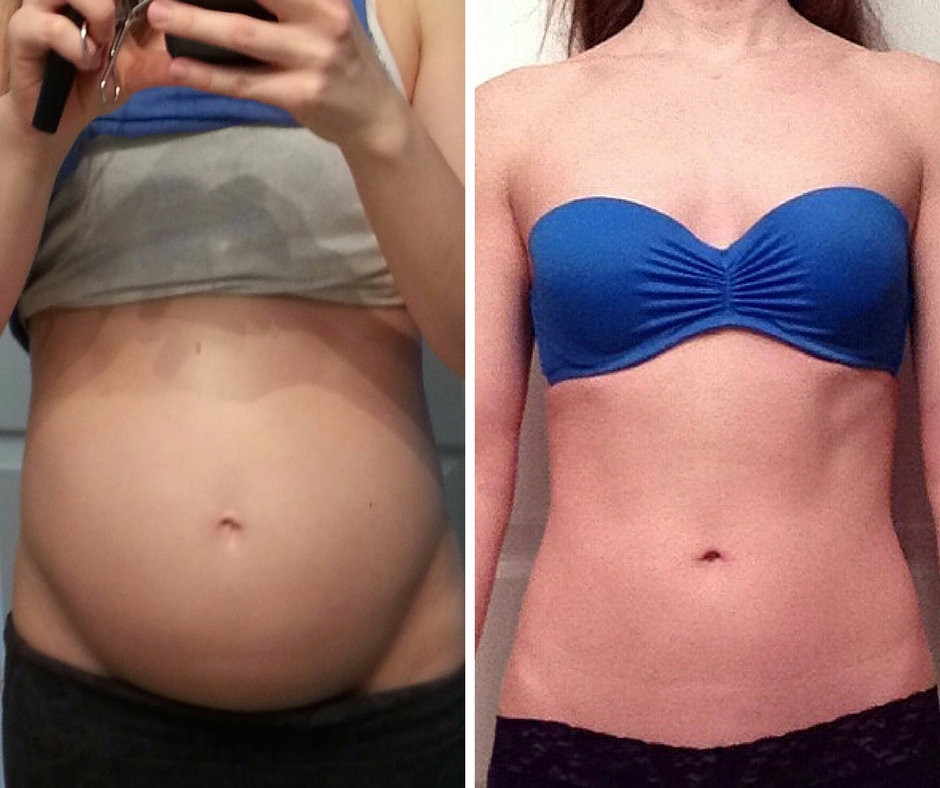


Bloating and gas are hands-down the most common complaints I see in my nutrition practice. And for some people, these symptoms are resolved pretty easily with probiotics, food sensitivity testing, or simple tweaks to digestion.
But for many others, those fixes don’t work. In fact, they sometimes make things worse. Ever feel bloated after drinking water? You’re not imagining it.
If that sounds familiar, I want you to know: you’re not crazy, you’re not broken, and you’re definitely not alone. I’ve been through it too, and I know how discouraging it is to try remedy after remedy with no real relief.
Here’s the truth: There might be one key root cause behind all of this that your doctor hasn’t mentioned.
It’s called SIBO — and it could be the missing piece of your digestive puzzle.
What Is SIBO, Exactly?
SIBO stands for Small Intestinal Bacterial Overgrowth — a condition where bacteria that don’t belong in your small intestine start to build up there and wreak havoc.
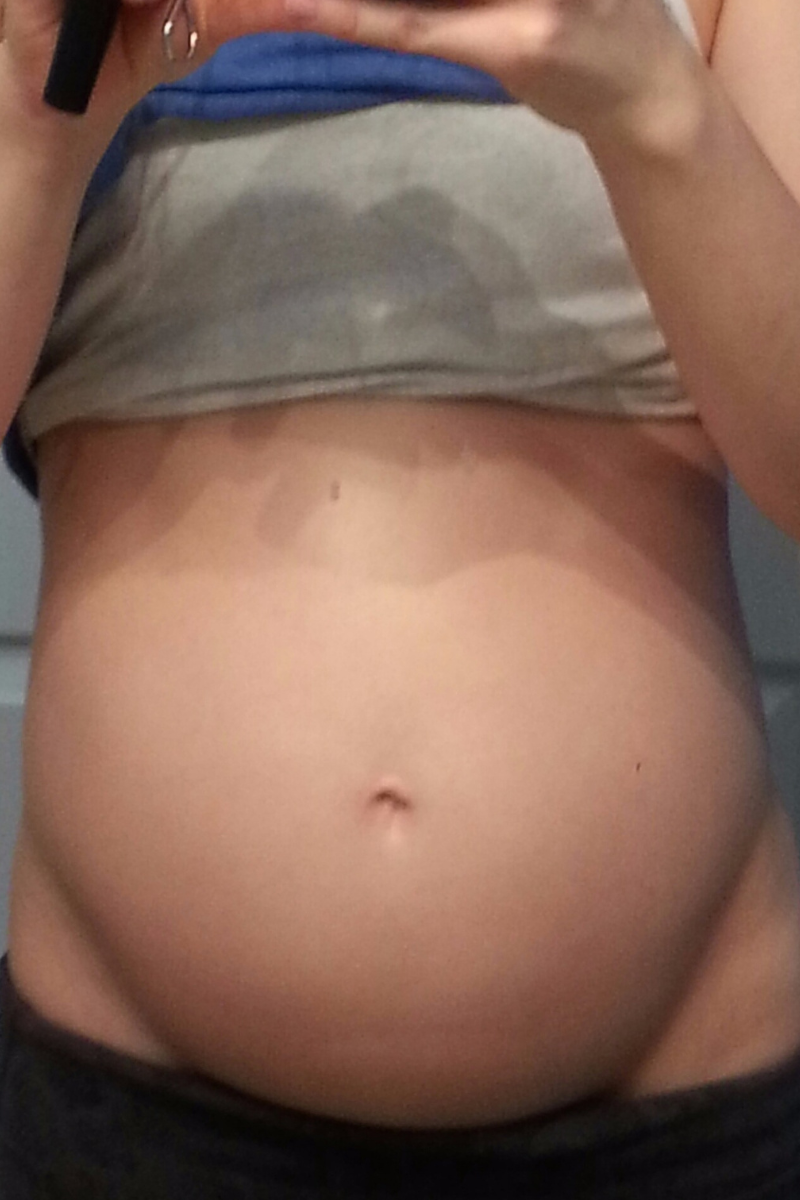
Normally, your small intestine is home to very few bacteria (most live in the large intestine). But when things get out of balance, those bacteria migrate or multiply where they shouldn’t. And when they start feeding on your food, they release gases that create symptoms like:
- Intense bloating (especially after meals)
- Abdominal pain or cramping
- Diarrhea, constipation, or both
- Gas, burping, and distension
- Nausea, fatigue, and even skin or joint issues
These bacteria come in a few variations: hydrogen, methane, and hydrogen sulfide producers — which sometimes I refer to as the “fart bugs.”
Wait — Isn’t That Just IBS?
Here’s where it gets interesting.
Studies show that up to 80% of people diagnosed with IBS actually have SIBO as the root cause. That’s a huge deal — because while IBS is often seen as something you just have to “manage,” SIBO is treatable.
So if you’ve been told “you just have IBS” and felt stuck, this could change everything.
How Do I Know If I Have SIBO?
The gold standard for diagnosis is a SIBO breath test, which you can do at home or in a clinic. You drink a solution (glucose, fructose or lactulose), and the test measures levels of hydrogen and methane gases in your breath over a few hours.
The type and timing of gas production tells us a lot — not only if you have SIBO, but what type and how severe it is. That info guides the treatment approach.
Pro tip: Always test before you treat. It saves you time, money, and frustration in the long run because the type of bacteria present dictates the type of treatment.
What Causes SIBO in the First Place?
SSIBO isn’t random. It’s usually tied to a breakdown in the body’s natural digestive wave system — specifically the Migrating Motor Complex (MMC). This “cleansing wave” sweeps bacteria out between meals, and when it’s disrupted, things back up and bacteria can build up where they shouldn’t.
Some common SIBO triggers include:
- Food poisoning (yes, even years ago)
- Chronic constipation
- Diabetes
- Hypothyroidism
- Endometriosis
- Bowel surgeries or abdominal scar tissue
- Opioid or antacid use
- Chronic stress
If you’ve experienced any of these, SIBO could be playing a role in your current symptoms.
So What Do I Do If I Think I Have It?
Here’s the thing about SIBO: there’s no one-size-fits-all fix. Effective treatment is always personalized.
A full SIBO recovery plan might include:
- A customized Lower FODMAP Diet
- Herbal antimicrobials or prescription antibiotics
- Support for the MMC (that migrating motor complex)
- Targeted probiotics (yes — not all probiotics are bad for SIBO!)
- And longer-term strategies to prevent relapse
This isn’t about throwing supplements at the wall to see what sticks. It’s about creating a smart, step-by-step strategy that’s based on your body, your symptoms, and your test results.
Let’s Get You Feeling Like You Again
If you’ve been struggling with bloating, unpredictable digestion, or a diagnosis that feels more like a dead end than a plan — I want you to know there is a way forward.
I help clients identify and treat SIBO every day, using a proven, personalized approach that supports healing without guesswork or overwhelm.
Whether you’re just learning about SIBO or you’ve tried to treat it before and didn’t get results — I’m here to help you make a real plan.
Ready to Take the First Step?
Book a free 15-minute consult — we’ll chat about your symptoms, your history, and whether SIBO testing or treatment might be the next right move.
You don’t have to live with daily bloating and discomfort. Let’s get you back to feeling well and comfortable in your body again.






+ show Comments
- Hide Comments
add a comment