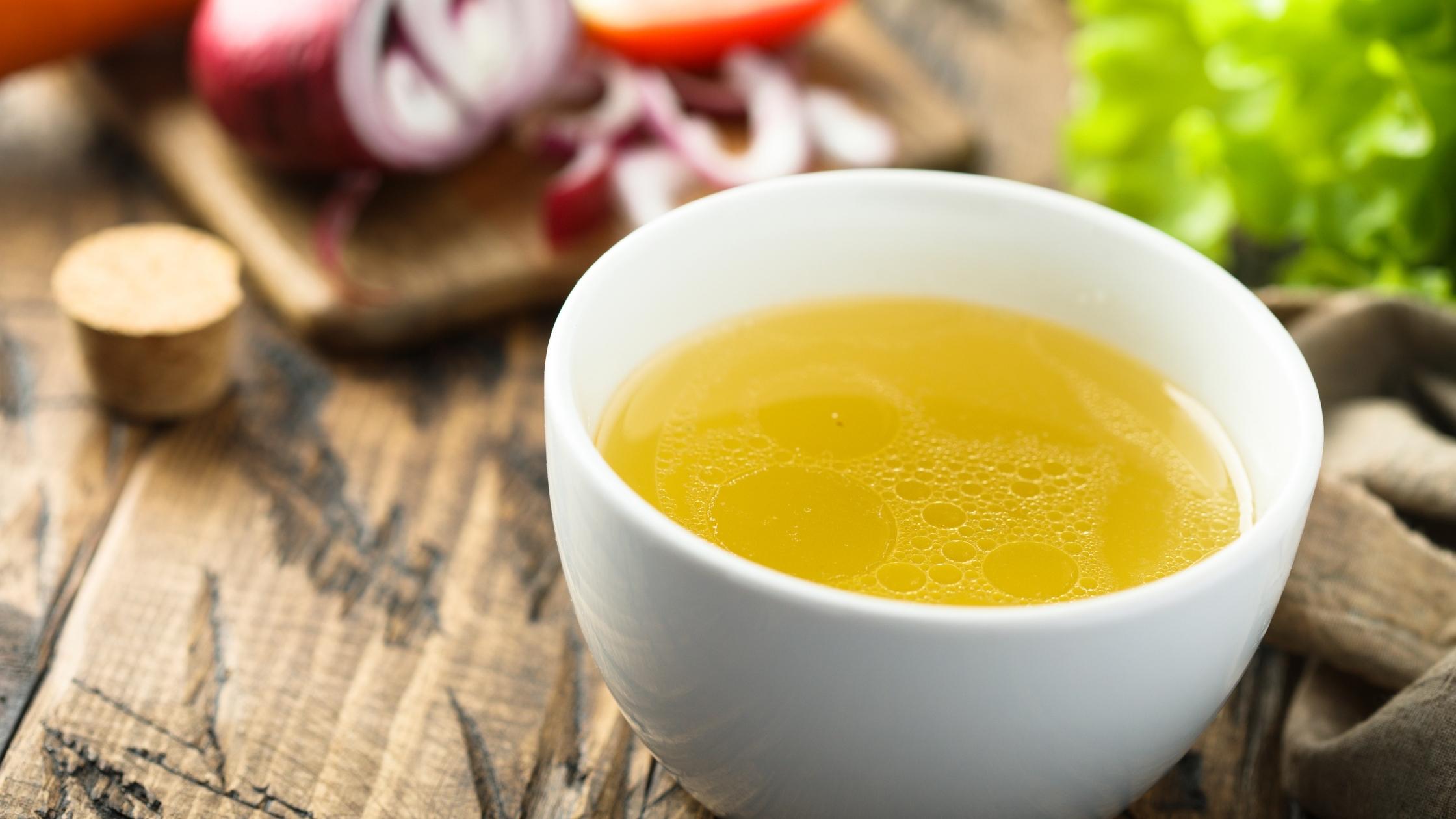


Bone broth has been used as a remedy for centuries. But will it help you heal from IBS? Read on to find out.
What is bone broth?
Bone broth is a traditional remedy that has been used for thousands of years. It is made by simmering bones in water until all the meat is cooked away and only the gelatin remains. This gelatin is then strained out and added back into the pot. The result is a rich, flavorful liquid that is often served over rice or noodles.
What About Bone Broth Makes It Good For You?
Bone broth contains collagen, which is an essential component of bone structure. Collagen helps keep our skin firm and supple, and it also supports healthy joints and ligaments. In addition, bone broth contains minerals such as calcium, magnesium, phosphorus, potassium, sodium, zinc, copper, manganese, iron, and iodine. These nutrients support strong bones and teeth, healthy muscles, and a healthy nervous system.
Some people with IBS have an impaired ability to absorb vitamins and minerals. The high mineral content of bone broth is an easy way to boost their mineral intake.
For those with IBS who struggle with weight loss, bone broth has been found to improve body weight as well as bone mineral density in states of protein malnutrition.
Can Bone Broth Help IBS?
It’s true that bone broth has been used as an effective treatment for gastrointestinal disorders for hundreds of years. In fact, it was one of the first treatments for diarrhea back in the Middle Ages. And while there isn’t any scientific evidence proving that bone broth can cure IBS, it does contain nutrients that support healthy digestion.
Some people with IBS have an impaired ability to absorb vitamins and minerals. The high mineral content of bone broth can help boost their mineral intake without adding additional work for the digestive system.
Though it has many health benefits, traditional bone broth recipes can aggravate gut symptoms in some people if high FODMAP foods are used; notably onion and garlic.
Do you have to drink bone broth though to put IBS into remission and heal your gut? No, you don’t. It’s most important that you are eating balanced meals, avoiding your triggers and nourishing the nervous system through sleep, movement and proper breathing. Bone broth can be something you add to your approach, only if you wish to do so.
How Do You Make Bone Broth at Home?
Making bone broth is simple and is best done in a slow cooker. This simple recipe is from my mother-in-law who makes delicious soups.

Ingredients:
- 2 marrow bones (roasting them beforehand will make them more flavourful)
- 5 cups of water, or enough to cover the bones and vegetables
- 2 tbsp. vinegar or lemon juice
- 2 sticks of celery, leaves and tops, chopped
- 2 medium sized carrots, peeled and chopped
- handful of parsley stalks, chopped
- 6 black peppercorns
- 3-4 whole allspice
- 1 bay leaf
- 1 tsp. salt
Method:
Add all ingredients to your slow cooker and cook on low for 12 – 72 hours. If you are using chicken bones, modify cook time to 6 – 24 hours.
Once the broth has finished cooking, drain the spices and vegetables and let it cool.
To freeze: pour into empty ice cubes trays and freeze overnight. Store in an airtight container.









+ show Comments
- Hide Comments
add a comment