

[et_pb_section fb_built=”1″ _builder_version=”3.22.3″ custom_padding=”0|0px|0|0px|false|false”][et_pb_row _builder_version=”3.22.3″][et_pb_column type=”4_4″ _builder_version=”3.19.11″][et_pb_text _builder_version=”3.19.11″ text_font=”||||||||” text_font_size=”16px” text_line_height=”1.4em”]
Eating can become a real drag when everything makes you bloated no matter what you eat. Makes you feel like giving up trying to eat well, doesn’t it?
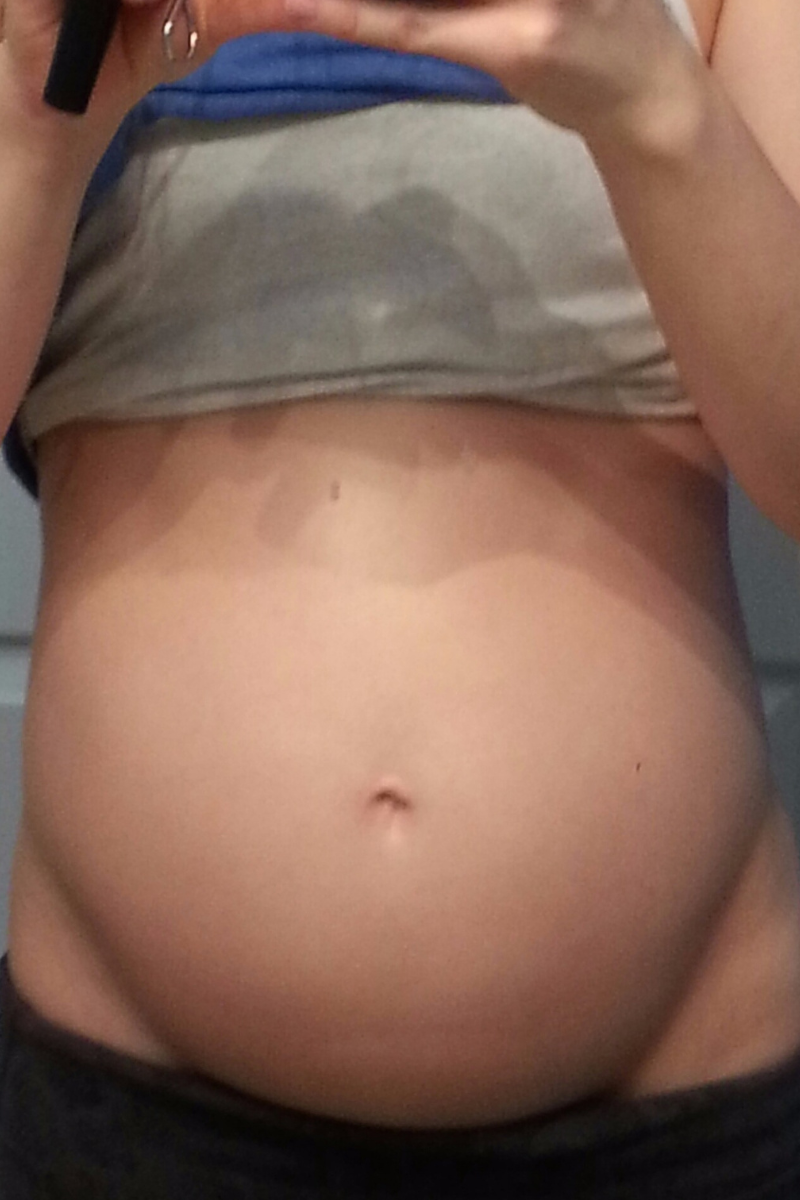
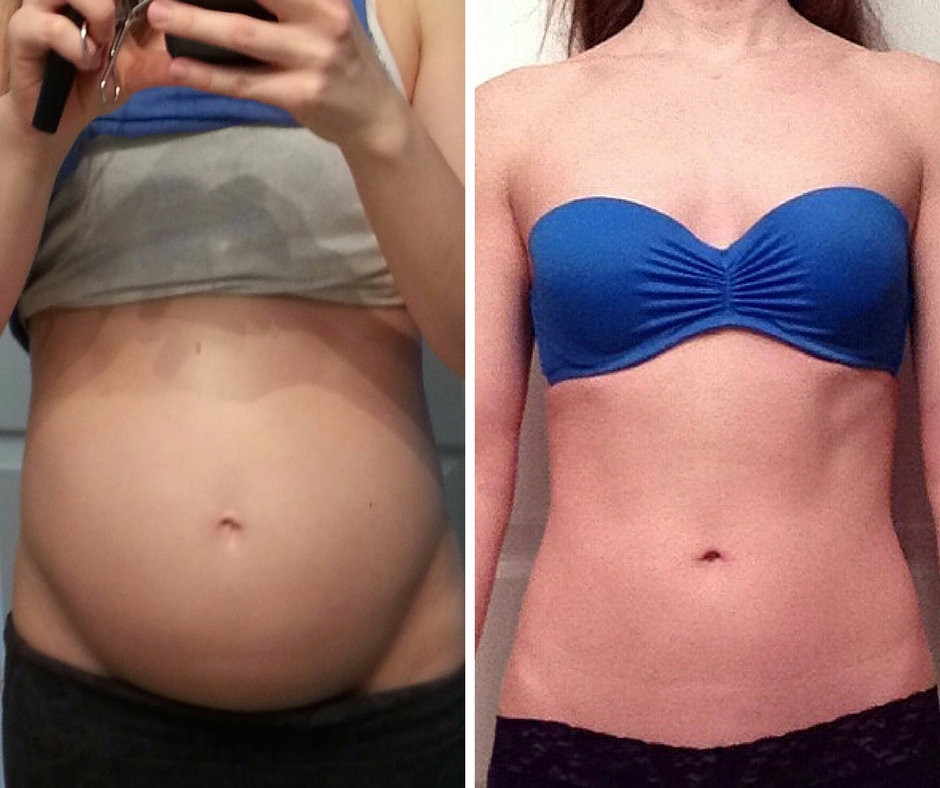
Bloating is the number one reason people work with me and I can sympathize dearly. I know all too well the feelings that chronic bloating brings: frustration, embarrassment, perceived unworthiness. It’s one big emotional shitstorm hidden underneath a muumuu.
While there are many, many reasons for bloating, if you find that eating brings it on here are the four main reasons why everything you eat makes you bloated:
Your Digestive Fire is Low
“Digestive fire” refers to the ability of our body to produce sufficient enzymes, stomach acid (“HCL”), and bile to break down our food. When one of these digestive substances (or all!) is low, our food is not being broken down properly and passes through the digestive tract, fermenting along the way. This is when we see indigestion, bloating, heartburn and gas.
Low digestive fire can be a result of medication, stress, poor diet, gallbladder removal, eating on the run or chronic antacid or acid blocker use. To increase your digestive fire, be sure to only eat when relaxed, chew your food thoroughly to a paste and avoid watching tv, working on the computer or scrolling your phone while eating. A digestive supplement that contains enzymes, HCL and ox bile can be very helpful for those with persistent signs of low digestive fire.
Your Gut Microbiome Has Shifted
The gut is home to trillions of bacteria, collectively referred to as the “gut microbiome”. These little guys are essential for good health because they take care of the immune system, synthesize vitamins and minerals, convert inactive hormones to active hormones (hypothyroid peeps- this is important!) and keep your digestive system healthy. And that only lists a fraction of what they do.
Various lifestyle and diet factors such as chronic stress, binge drinking, illness, medication and poor diet can lead to an alteration in the gut microbiome. We refer to this as dysbiosis. This can look like Small Intestine Bacteria Overgrowth, yeast overgrowth, parasitic or bacterial infection or just simply not enough good bacteria. Certain bacteria consume carbohydrates and release gas as a byproduct- literally dropping fart bombs inside your digestive tract.
Your Sympathetic Nervous System is in Overdrive
Our autonomic nervous system is responsible for control of the bodily functions that we don’t consciously direct, such as breathing, the heartbeat, and digestive processes. There are two branches of the autonomic nervous system: the sympathetic nervous system and the parasympathetic nervous system. The sympathetic nervous system controls the “fight or flight” response which is activated during times of perceived stress or danger. When this is activated, all of our body’s focus goes to the functions that help us ‘flee’: our heart rate is accelerated, our bronchial passages are widened, we start sweating and our blood pressure raises. Bodily functions that don’t help us flee are deemed not essential for survival and get shut down. This includes digestion. So, if you are chronically stressed, your sympathetic nervous system is activated constantly and digestion never functions at full capacity.
Digestion happens when the parasympathetic nervous system is activated. The parasympathetic nervous system controls what is termed the “rest and digest” response. There’s no need to flee so the body can focus on digesting. Things that help activate the parasympathetic nervous system are deep breathing, meditation, yoga, massage, play, laughter and spending time in nature. All the things I used to roll my eyes at until I admitted to myself that I was indeed chronically stressed. A story for another time!
You’re Not Eating the Right Foods for You
Every gut microbiome is different and the terrain of your gut will influence which foods will cause you to bloat. When I refer to the “terrain” of the gut, I’m collectively referring to several things (and a few already mentioned): the intestinal lining, the microbes that inhabit the gut, the digestive substances that break down food are a few. When there are problems with the terrain- inflammation, low digestive fire, increased intestinal permeability (leaky gut), dysbiosis, a jacked up immune system- the likelihood of food sensitivities, inability to digest certain foods and reactions such as gas and bloating is greatly increased.
How do you know which foods are going to work for you? You try an elimination diet. An elimination diet takes out problematic foods for a period of 4 – 6 weeks, or until symptoms reduce, and then reintroduces them one at a time to pinpoint which foods work for you and which don’t. Which foods to eliminate should be worked out with a health practitioner- it can be hard to implement on your own. I have the just thing for you! My Ultimate 7-Day Debloat Meal Plan for IBS will get you started on the Low FODMAP diet- the most effective dietary management of IBS. Download it here.







+ show Comments
- Hide Comments
add a comment