


You’ve been diagnosed with SIBO. You’ve tried the antibiotics. Maybe even the herbal protocols. You’ve changed your diet.
And yet… you’re still bloated. Still uncomfortable. Still feeling like your body is betraying you.
Sound familiar?
Small Intestinal Bacterial Overgrowth (SIBO) is one of the most frustrating digestive conditions to treat—not because it’s impossible to fix, but because most people aren’t getting the comprehensive approach they need to actually clear it for good.
In my practice, I hear these stories constantly:
- “I’ve spent thousands on treatments, but nothing has worked”
- “I’ve been struggling with this for years”
- “I clear it, but it just comes right back”
SIBO is complex, and most treatment protocols miss critical pieces of the puzzle. Let’s talk about the five reasons your SIBO treatment might not be working—and more importantly, what you can do to finally get lasting relief.
What Is SIBO? (A Quick Refresher)
Small Intestinal Bacterial Overgrowth occurs when bacteria grow in numbers in your small intestine. These bacteria ferment the food you eat, creating gas and causing symptoms like:
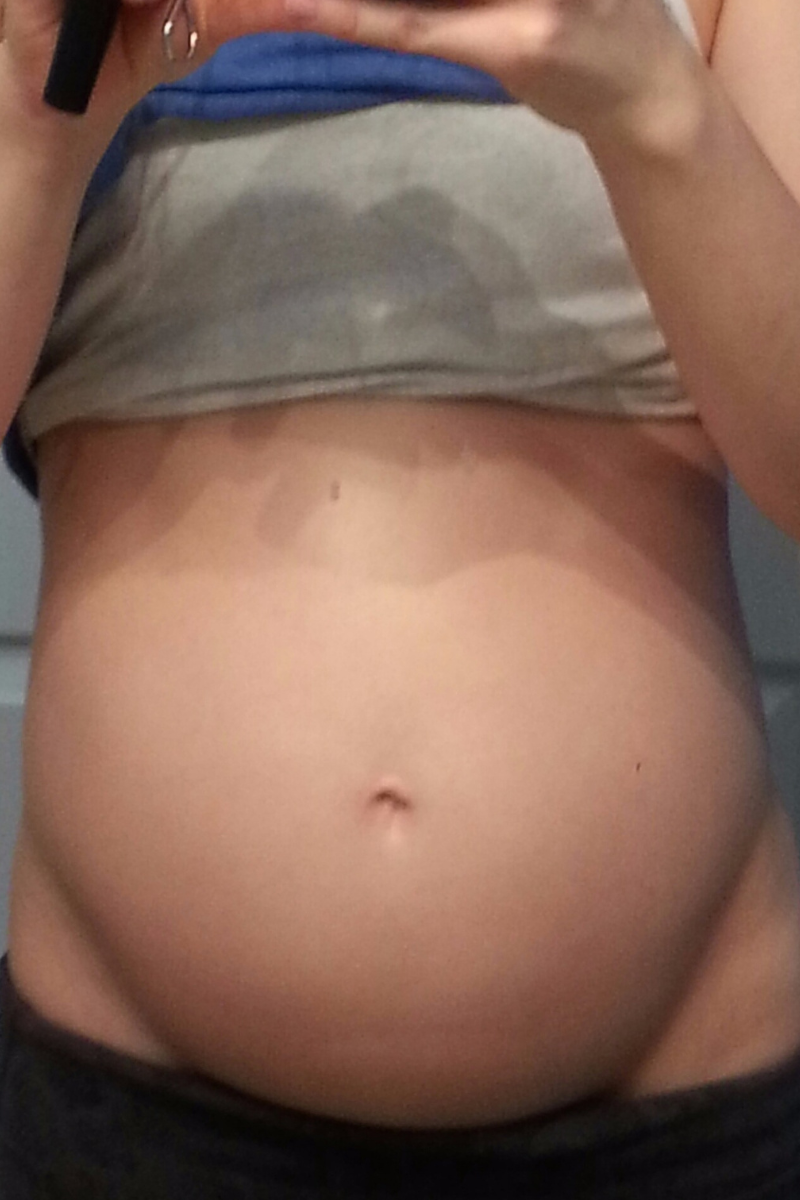
- Severe bloating (especially after meals)
- Abdominal pain and cramping
- Diarrhea, constipation, or both
- Gas and belching
- Fatigue and brain fog
The challenge? SIBO is often misdiagnosed as IBS, food sensitivities, or even anxiety. Many people spend years—and thousands of dollars—without getting proper answers or effective treatment.
1) Your Treatment Protocol Was Too Short
Here’s what most people don’t realize: one round of antibiotics or herbal antimicrobials rarely clears SIBO completely.
Each treatment round typically reduces hydrogen or methane gas levels by about 30 ppm (parts per million). If your breath test shows levels in the 60s, 80s, or higher, the math is simple—you need multiple rounds.
Standard Treatment Timelines:
- Antibiotics: 10-14 days per round
- Herbal antimicrobials: 4 weeks per round
Many practitioners prescribe just one round and send you on your way. But if you stop treatment prematurely, the remaining bacteria repopulate quickly, and you’re right back where you started.
2) You Haven’t Addressed Your Constipation
If If you struggle with constipation, listen carefully: You cannot successfully treat SIBO without fixing your motility issues first.
Here’s why: SIBO’s root cause is a motility problem. When your gut doesn’t move waste through efficiently, bacteria have time to overgrow. If you’re still constipated during treatment, you’re fighting an uphill battle.
Signs You Need to Address Constipation:
- Straining during bowel movements
- Having fewer than 1-2 easy bowel movements daily
- Feeling like you can’t fully empty your bowels
- Needing more than 48 hours to pass food through your system
What Actually Helps:
- Magnesium supplements (citrate or oxide forms)
- Motility agents (herbal like ginger or prescription like prucalopride)
- Adequate fiber from well-tolerated sources
- Pelvic floor therapy to address muscle dysfunction
- Morning toilet routine to train your body’s natural rhythm
→ I work with clients to create personalized motility protocols that address the ROOT cause of their constipation—not just band-aid solutions. Getting your bowels moving is non-negotiable for SIBO recovery.
3) Your Nervous System Is Sabotaging Your Progress
This might surprise you, but stress is one of the biggest reasons SIBO treatments fail.
When you’re in “fight or flight” mode (sympathetic nervous system activation), your body literally shuts down digestion. Blood flow redirects away from your gut and toward your muscles and brain. Your intestines slow down. Digestive enzymes decrease.
The result? Even the best SIBO protocol can’t work effectively because your body isn’t in a state to heal.
Common Signs Your Nervous System Is Stuck in Overdrive:
- Chronic stress, anxiety, or feeling “wired”
- Difficulty relaxing or slowing down
- Poor sleep quality
- Constantly feeling rushed or productive
- Digestive symptoms that worsen during stressful times
The Fix: Activate “Rest and Digest” Mode
You need to switch your body into parasympathetic mode (the “rest and digest” state) for your gut to heal:
- Deep diaphragmatic breathing (5-10 minutes daily)
- Vagal nerve exercises (humming, gargling, cold exposure)
- Meditation or mindfulness practices
- Gentle movement like walking or yoga
- Prioritizing sleep (7-9 hours nightly)
I know this can feel frustrating, especially if you’re a go-getter who thrives on productivity. But here’s the truth: slowing down is not optional if you want to heal your gut.
→ My SIBO recovery approach includes nervous system regulation strategies customized to your lifestyle. Because no protocol will work if your body is stuck in survival mode.
4) Your Diet Isn’t Supporting Motility
Let me be clear: Diet alone will NOT cure SIBO. But the right nutrition strategy can significantly reduce symptoms and support your treatment.
Most people focus on restrictive diets like Low FODMAP to manage bloating. And yes, these can help short-term. But if your diet isn’t actively supporting gut motility, you’re missing a critical piece.
How to Eat for Motility (Not Just Symptom Management):
✓ Eat consistent, regular meals (3 meals per day at roughly the same times)
✓ Include protein, healthy fats, AND fiber at each meal
✓ Allow 3-4 hours between meals to let your migrating motor complex (MMC) do its job
✓ Chew thoroughly (20-30 chews per bite) to support proper digestion
✓ Adjust food texture if needed (cooked vs. raw, pureed vs. whole)
What NOT to Do:
- Constant grazing or snacking (disrupts the MMC)
- Overly restrictive elimination diets long-term
- Eating on the run or while stressed
- Drinking large amounts of liquid with meals
→ I help clients build personalized meal plans that reduce bloating while actively improving motility—so you’re not just managing symptoms, you’re addressing the root cause. No more restrictive diets that leave you frustrated and hungry.
5) It’s Not Just SIBO (You Have Other Gut Issues Too)
Here’s something most practitioners won’t tell you: I’ve never worked with a client who only had SIBO.
SIBO is one type of dysbiosis (gut imbalance), but it rarely exists in isolation. Most people with SIBO also have some mix of:
- Insufficient beneficial bacteria (depleted microbiome)
- Fungal overgrowth (Candida)
- Intestinal permeability (leaky gut)
- Bile acid malabsorption
- Low digestive enzymes or stomach acid
If you’re only treating SIBO without addressing these other imbalances, you’re leaving the door wide open for relapse.
This is why comprehensive testing matters. A full gut health assessment will include:
- SIBO breath testing (hydrogen AND methane)
- Comprehensive stool analysis
- Assessment of digestive function
→ My approach goes beyond SIBO. We look at your ENTIRE gut ecosystem to identify all the imbalances keeping you stuck. Because you deserve more than temporary relief.
The Truth About SIBO Recovery
SIBO treatment isn’t a one-size-fits-all protocol. It requires:
✓ Proper testing and retesting
✓ Comprehensive treatment (often multiple rounds)
✓ Addressing underlying motility issues
✓ Nervous system regulation
✓ Strategic nutrition support
✓ Full microbiome restoration
Trying to piece this together on your own is overwhelming—and expensive.
Most of my clients have already spent thousands of dollars on supplements, tests, and treatments that didn’t work because they were missing critical pieces of the puzzle.
The Bottom Line
If you’ve been struggling with SIBO, it’s not because you’re doing something wrong. It’s because SIBO requires a comprehensive, personalized approach that most practitioners simply don’t provide.
You don’t have to keep suffering. You don’t have to keep wasting money on treatments that don’t work.
Let me help you create a protocol that actually addresses YOUR unique situation—so you can finally get lasting relief.







+ show Comments
- Hide Comments
add a comment