


Can’t button your pants by 3 PM? You’re not imagining it—and you’re definitely not alone.
Chronic bloating is the #1 digestive complaint I hear from clients in my practice. Many have spent months (or even years) bouncing between doctors, trying different diets and supplements, only to still feel uncomfortable and frustrated.
The good news? Once you identify the root cause, relief is absolutely possible. Let’s explore the five most common reasons you might be bloated every single day—and what you can do about it.
1. You’re Constipated (Yes, Even If You Poop Every Day!)
Going every day doesn’t automatically mean you’re not constipated.
Many of my clients are shocked to learn they’re constipated because they have a daily bowel movement. But frequency alone doesn’t tell the whole story—how you go matters just as much.
Signs You’re Actually Constipated:
- Straining during bowel movements
- Feeling like you haven’t fully emptied your bowels
- Hard, pellet-like stools (even if you go daily)
- Taking longer than 48 hours to pass food through your system
How to Test at Home: Eat corn (or another visible food) and track how long it takes to appear in your stool. Anything over 48 hours indicates slow transit time.
The Fix:
Constipation often requires a multi-pronged approach:
- Diet modifications (the right kind of fiber, the right volume of food)
- Pelvic floor physiotherapy to address muscle dysfunction
- Regular movement to stimulate digestion
- Targeted supplements or medications as needed
- Stress management (stress literally slows your gut)
If constipation has been lifelong, work with a healthcare provider for comprehensive treatment.
→ Working through constipation can feel overwhelming, but you don’t have to figure it out alone. In my nutrition practice, I create personalized protocols that address all these factors to get your digestion moving smoothly again.
2. You Have Small Intestine Bacterial Overgrowth (SIBO)
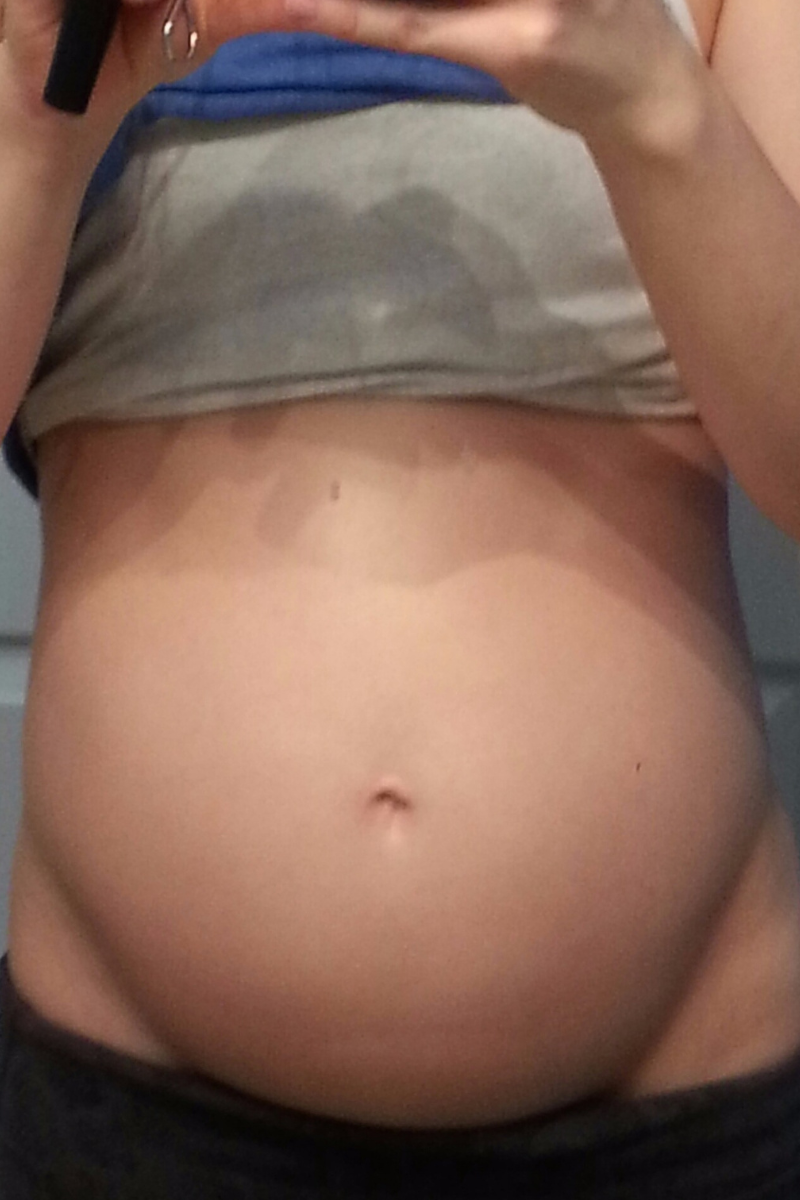
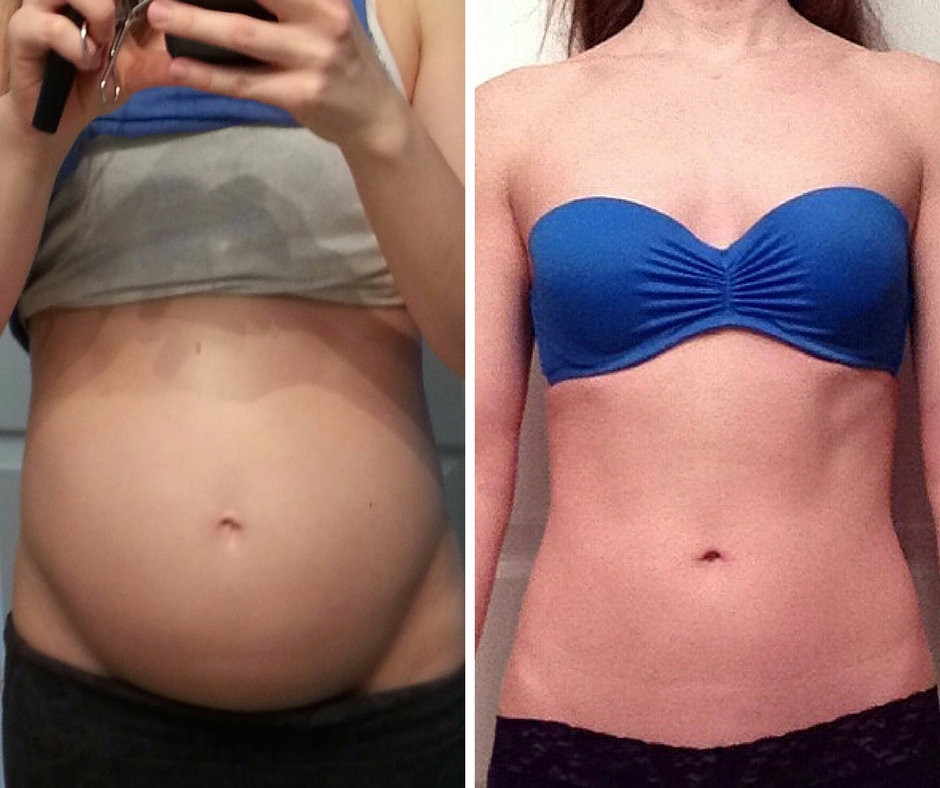
What It Feels Like: That “pregnant belly” bloat that appears almost daily, regardless of what you eat.
SIBO occurs when bacteria overgrow in your small intestine, where they shouldn’t be in large numbers. These bacteria ferment carbohydrates from foods like onions, garlic, avocado, and apples—producing gas that leaves you uncomfortably distended.
Classic SIBO Signs:
- Severe bloating that feels worse after eating high-FODMAP foods (wheat, granola bars, cauliflower, onions, garlic)
- Bloating that occurs almost daily
- Gas and abdominal discomfort
- Sometimes diarrhea or alternating bowel habits
The Fix:
Diagnosis: SIBO can only be diagnosed via a breath test (not stool, blood, or urine tests).
Treatment: Typically involves antibiotics or herbal antimicrobials. However, SIBO can be tricky—it has a high relapse rate, so working with a SIBO-experienced practitioner is essential for long-term success.
→ I specialize in SIBO protocols and relapse prevention. My clients don’t just target SIBO—they learn how to keep it from coming back. If you suspect SIBO, let’s talk about getting you properly tested and on the right protocol.
3. Carbohydrate Intolerances Are Triggering Your Bloat
When your body can’t properly digest certain carbohydrates—like lactose (in dairy) or fructose (in fruits)—they ferment in your intestines, creating gas and that familiar bloated feeling.
The Detective Work:
I’ve never worked with a chronically bloated client who didn’t have at least one carbohydrate intolerance. Identifying yours requires tracking:
- What you eat
- When symptoms appear
- Severity of bloating
Pro Tip: Keep a detailed food and symptom diary for 1-2 weeks. Patterns will emerge showing which foods are your personal triggers.
The Fix:
Once identified, eliminating or reducing trigger foods can dramatically reduce bloating. Common culprits include dairy, wheat, certain fruits (apples, pears), onions, and garlic.
→ Finding your unique trigger foods requires expert guidance. I help clients identify their specific intolerances through strategic food tracking and testing, then create delicious meal plans that actually work with their body—not against it.
4. Your Breathing Habits Are Making It Worse
This might sound strange, but how you breathe directly impacts bloating.
Try This Quick Test:
Place one hand on your lower belly and one on your chest. Take a normal breath. Which hand rises more?
If your chest hand rises more: You’re using shallow, chest-based breathing. This dysfunctional pattern causes you to swallow more air during meals, leading to—you guessed it—more bloating.
The Fix:
Practice diaphragmatic breathing (belly breathing):
- Breathe deeply into your lower belly
- Your belly should expand on the inhale
- Your chest should stay relatively still
This engages your diaphragm properly, reduces air swallowing, and supports better digestion. Practice this throughout the day, especially before and during meals.
5. You’re Missing an Underlying Medical Condition
While the causes above are extremely common, chronic bloating can sometimes signal more serious conditions:
- Ovarian cysts
- Endometriosis
- Inflammatory bowel disease
- Celiac disease
When to See a Doctor:
- Bloating persists despite lifestyle changes
- You have severe pain
- You experience unexplained weight loss
- You notice blood in your stool
- Symptoms are progressively worsening
The Bottom Line
Daily bloating isn’t something you just have to “live with.” Whether it’s constipation, SIBO, food intolerances, breathing patterns, or a combination—there IS a solution.
You’ve already taken the first step by educating yourself. Now it’s time to take the next one.
Your comfortable, confident, bloat-free life is waiting. Let’s make it happen together.



+ show Comments
- Hide Comments
add a comment